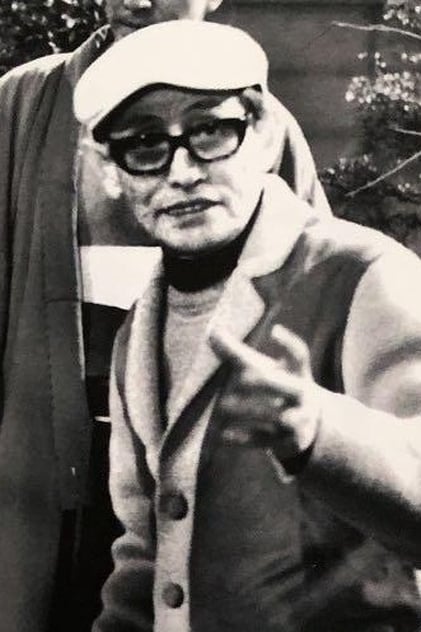
5
Anime
1
Popularité
85
† ans
Réalisateur
Homme 🇯🇵 Japon
マキノ雅弘
Masatada Makino · Daikichi Risshun · マキノ 雅弘 · マキノ正博
Naissance
29 février 1908 (85 ans)
Décès
1993-10-29
Lieu de naissance
Kyoto, Japan
Métier
Réalisateur
Biographie
Biographie disponible uniquement en anglais.
Masahiro Makino (マキノ 雅弘, Makino Masahiro, February 29, 1908 - October 29, 1993) was a Japanese film director. He directed more than 260 films, primarily in the chanbara and yakuza genres. His real name was Masatada (正唯), but he took the stage name Masahiro, the kanji for which he changed multiple times (including 雅広, 正博, and 雅裕).
Masahiro Makino was born in Kyoto, the eldest son of the film director and producer Shōzō Makino, who is often called the father of Japanese cinema. As a youth he acted in over 100 films before debuting as a film director in 1926 at age 18.
His critically acclaimed nihilistic jidaigeki such as Roningai (1928) made him one of the top Japanese film directors, but his way of shooting films quickly also earned him detractors. For instance, the total time it took to shoot the 1936 film Edo no Ka Oshō was only 28 hours.The critic Sadao Yamane, however, has argued that this fast filming practice also contributed to Makino's speedy, rhythmic film style. Rhythm and tempo are important to his films, and so in his jidaigeki, fight scenes like in Kettō Takadanobaba (1937) could seem like dances, or entire sequences, like in Awa no Odoriko (1941), could be filled with dance. He made musicals like Singing Lovebirds (1939) and even his wartime propaganda films like Hanako-san and Ahen senso (both 1943) could have Busby Berkeley-like musical numbers.
After the war, he helmed such popular jidaigeki series as Jirōchō Sangokushi and such ninkyō eiga series as Nihon Kyōkaku-den. He directed his last film in 1972, the retirement film for Junko Fuji, completing a filmography that totaled over 260 films and included films of many genres.
Masahiro Makino was born in Kyoto, the eldest son of the film director and producer Shōzō Makino, who is often called the father of Japanese cinema. As a youth he acted in over 100 films before debuting as a film director in 1926 at age 18.
His critically acclaimed nihilistic jidaigeki such as Roningai (1928) made him one of the top Japanese film directors, but his way of shooting films quickly also earned him detractors. For instance, the total time it took to shoot the 1936 film Edo no Ka Oshō was only 28 hours.The critic Sadao Yamane, however, has argued that this fast filming practice also contributed to Makino's speedy, rhythmic film style. Rhythm and tempo are important to his films, and so in his jidaigeki, fight scenes like in Kettō Takadanobaba (1937) could seem like dances, or entire sequences, like in Awa no Odoriko (1941), could be filled with dance. He made musicals like Singing Lovebirds (1939) and even his wartime propaganda films like Hanako-san and Ahen senso (both 1943) could have Busby Berkeley-like musical numbers.
After the war, he helmed such popular jidaigeki series as Jirōchō Sangokushi and such ninkyō eiga series as Nihon Kyōkaku-den. He directed his last film in 1972, the retirement film for Junko Fuji, completing a filmography that totaled over 260 films and included films of many genres.
Filmographie
Participations Anime (5)
Staff
En tant que Réalisateur (161)
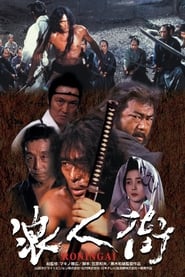
Rônin-gai
Co-Director
1990
長谷川伸シリーズ
Director
1972
Junko se retire : La Grande Famille des cerisiers rouges du Kantō
Director
1972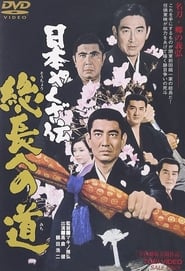
日本やくざ伝 総長への道
Director
1971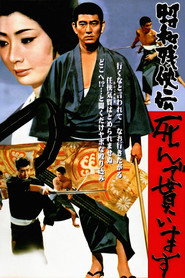
昭和残侠伝 死んで貰います
Director
1970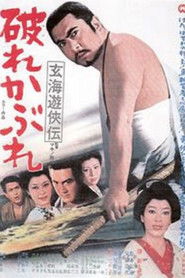
玄海遊侠伝 破れかぶれ
Director
1970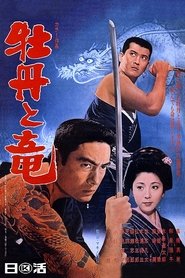
牡丹と竜
Director
1970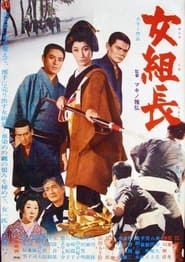
女組長
Director
1970
女組長
Screenplay
1970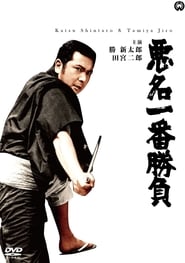
悪名一番勝負
Writer
1969
悪名一番勝負
Director
1969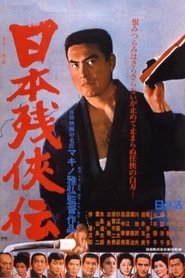
日本残侠伝
Director
1969
日本残侠伝
Screenplay
1969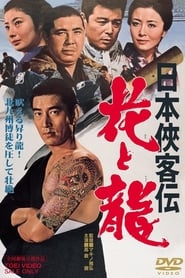
日本侠客伝 花と龍
Director
1969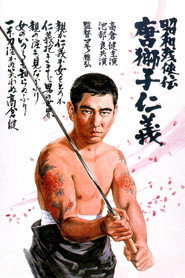
昭和残侠伝 唐獅子仁義
Director
1969
新網走番外地
Director
1968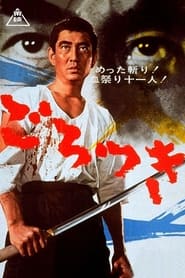
ごろつき
Director
1968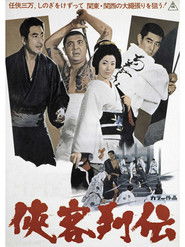
侠客列伝
Director
1968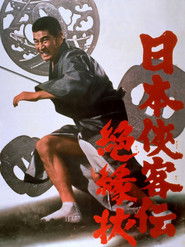
日本侠客伝 絶縁状
Director
1968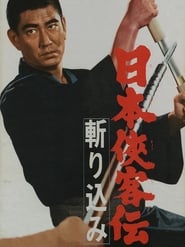
日本侠客伝 斬り込み
Director
1967