5
Anime
1
Popularité
85
† ans
Director
Male 🇯🇵 Japon
Masahiro Makino
Masatada Makino · Daikichi Risshun · マキノ 雅弘 · マキノ正博
Naissance
29 February 1908 (85 ans)
Décès
1993-10-29
Lieu de naissance
Kyoto, Japan
Métier
Director
Biographie
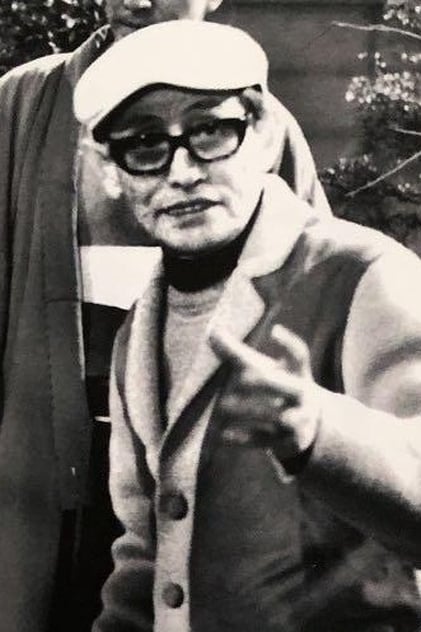
Masahiro Makino (マキノ 雅弘, Makino Masahiro, February 29, 1908 - October 29, 1993) was a Japanese film director. He directed more than 260 films, primarily in the chanbara and yakuza genres. His real name was Masatada (正唯), but he took the stage name Masahiro, the kanji for which he changed multiple times (including 雅広, 正博, and 雅裕).
Masahiro Makino was born in Kyoto, the eldest son of the film director and producer Shōzō Makino, who is often called the father of Japanese cinema. As a youth he acted in over 100 films before debuting as a film director in 1926 at age 18.
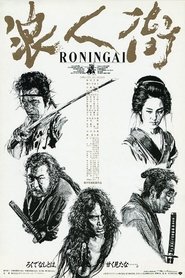
His critically acclaimed nihilistic jidaigeki such as Roningai (1928) made him one of the top Japanese film directors, but his way of shooting films quickly also earned him detractors. For instance, the total time it took to shoot the 1936 film Edo no Ka Oshō was only 28 hours.The critic Sadao Yamane, however, has argued that this fast filming practice also contributed to Makino's speedy, rhythmic film style. Rhythm and tempo are important to his films, and so in his jidaigeki, fight scenes like in Kettō Takadanobaba (1937) could seem like dances, or entire sequences, like in Awa no Odoriko (1941), could be filled with dance. He made musicals like Singing Lovebirds (1939) and even his wartime propaganda films like Hanako-san and Ahen senso (both 1943) could have Busby Berkeley-like musical numbers.
After the war, he helmed such popular jidaigeki series as Jirōchō Sangokushi and such ninkyō eiga series as Nihon Kyōkaku-den. He directed his last film in 1972, the retirement film for Junko Fuji, completing a filmography that totaled over 260 films and included films of many genres.
Masahiro Makino was born in Kyoto, the eldest son of the film director and producer Shōzō Makino, who is often called the father of Japanese cinema. As a youth he acted in over 100 films before debuting as a film director in 1926 at age 18.
His critically acclaimed nihilistic jidaigeki such as Roningai (1928) made him one of the top Japanese film directors, but his way of shooting films quickly also earned him detractors. For instance, the total time it took to shoot the 1936 film Edo no Ka Oshō was only 28 hours.The critic Sadao Yamane, however, has argued that this fast filming practice also contributed to Makino's speedy, rhythmic film style. Rhythm and tempo are important to his films, and so in his jidaigeki, fight scenes like in Kettō Takadanobaba (1937) could seem like dances, or entire sequences, like in Awa no Odoriko (1941), could be filled with dance. He made musicals like Singing Lovebirds (1939) and even his wartime propaganda films like Hanako-san and Ahen senso (both 1943) could have Busby Berkeley-like musical numbers.
After the war, he helmed such popular jidaigeki series as Jirōchō Sangokushi and such ninkyō eiga series as Nihon Kyōkaku-den. He directed his last film in 1972, the retirement film for Junko Fuji, completing a filmography that totaled over 260 films and included films of many genres.
Filmographie
Participations Anime (5)
Staff
En tant que Director (161)
Ronin-gai
Co-Director
1990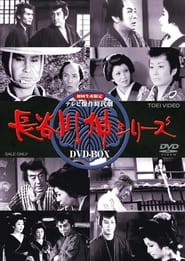
The Shin Hasegawa Series
Director
1972
The Kanto Scarlet Cherry Gang
Director
1972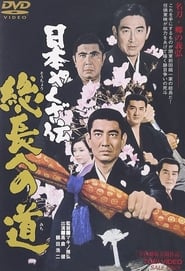
The Path of the King
Director
1971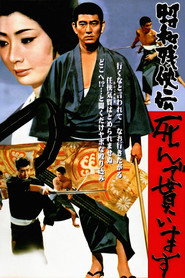
Brutal Tales of Chivalry 7: Hell Is a Man's Destiny
Director
1970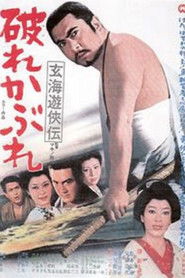
Born Fighter
Director
1970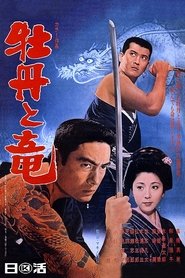
Peonies And Dragons
Director
1970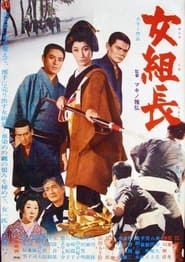
Woman Boss
Director
1970
Woman Boss
Screenplay
1970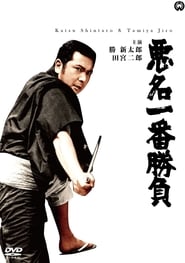
Bad Reputation: Showdown of the Best
Writer
1969
Bad Reputation: Showdown of the Best
Director
1969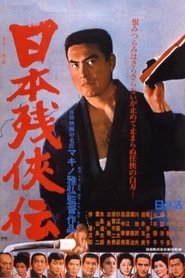
Tale of the Last Japanese Yakuza
Director
1969
Tale of the Last Japanese Yakuza
Screenplay
1969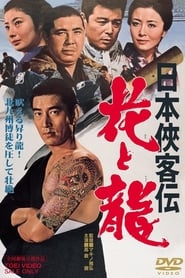
The Domain: Flower and Dragon
Director
1969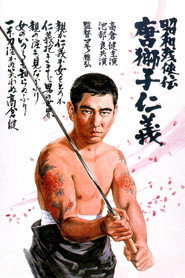
Brutal Tales of Chivalry 5: Man With The Karajishi Tattoo
Director
1969
New Prison Walls of Abashiri
Director
1968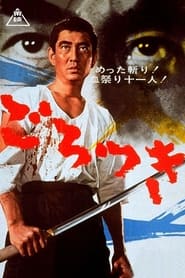
Rogue
Director
1968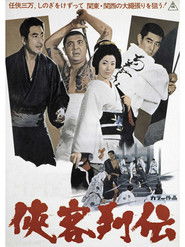
Histories of the Chivalrous
Director
1968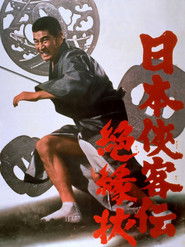
The Domain: Severed Relations
Director
1968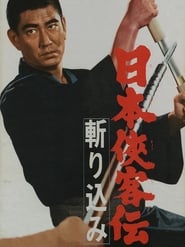
The Domain: Where The Blade Enters
Director
1967