83
Anime
2
Popularité
94
ans
Acteur/Actrice
Femme 🇯🇵 Japon
山本ふじこ
山本富士子 · Фудзико Ямамото
Naissance
11 décembre 1931 (94 ans)
Lieu de naissance
Itachibori, Nishi, Osaka, Osaka, Japan
Métier
Acteur/Actrice
Rôles principaux
Biographie
Biographie disponible uniquement en anglais.
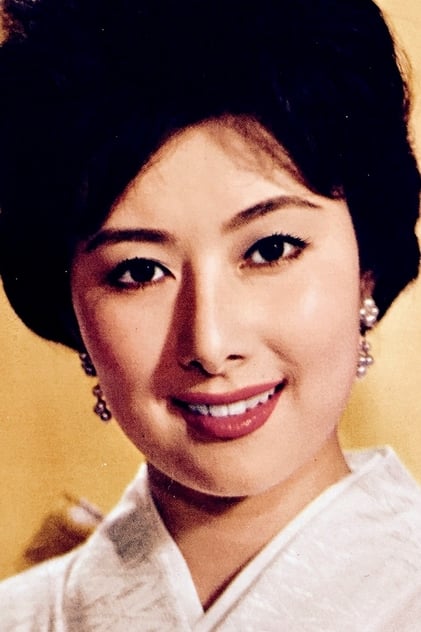
Fujiko Yamamoto (山本富士子, Yamamoto Fujiko) (born 11 December 1931) is a Japanese stage, film and television actress. She was the winner of the first Miss Nippon Grand Prix in 1950, and appeared in over 100 films between 1953 and 1963, including works by directors Yasujirō Ozu, Kon Ichikawa, Shirō Toyoda and Kōzaburō Yoshimura.
Yamamoto was born on 11 December 1931 in Nishi ward, Osaka. In 1953, she made her film debut at Daiei Film, and became one of the studio's top actresses. Yamamoto was considered one of Japan's most beautiful women, with, in the words of film historian Catherine Russell, "noble" features that represented the classic ideal of Japanese beauty. As such, she was well-suited for costumed parts in the era's popular period dramas, with her less-frequent modern roles (in films like Ozu's Equinox Flower and Ichikawa's Being Two Isn't Easy) often shot in "movie star" closeups that placed her apart from the films' contemporary storytelling.
In 1963, when her contract came up for renewal, she insisted on changes. The head of Daiei, Masaichi Nagata, refused, dismissed her, and prevented her from finding work at other film studios via the Five-Company Agreement. After the Daiei dismissal, Yamamoto acted in the TV series Toshiba Sunday Theatre and on Fuji TV. Even though she has appeared frequently on stage and on television, she has not appeared in a film since then.
Yamamoto was born on 11 December 1931 in Nishi ward, Osaka. In 1953, she made her film debut at Daiei Film, and became one of the studio's top actresses. Yamamoto was considered one of Japan's most beautiful women, with, in the words of film historian Catherine Russell, "noble" features that represented the classic ideal of Japanese beauty. As such, she was well-suited for costumed parts in the era's popular period dramas, with her less-frequent modern roles (in films like Ozu's Equinox Flower and Ichikawa's Being Two Isn't Easy) often shot in "movie star" closeups that placed her apart from the films' contemporary storytelling.
In 1963, when her contract came up for renewal, she insisted on changes. The head of Daiei, Masaichi Nagata, refused, dismissed her, and prevented her from finding work at other film studios via the Five-Company Agreement. After the Daiei dismissal, Yamamoto acted in the TV series Toshiba Sunday Theatre and on Fuji TV. Even though she has appeared frequently on stage and on television, she has not appeared in a film since then.
Filmographie
Participations Anime (83)

Seijū Sentai Gingaman
Kyouhei's Mother
1998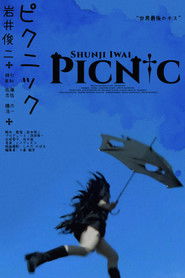
PicNic
Nurse
1996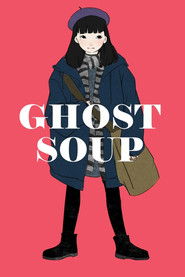
ゴーストスープ
N/A
1992
憂愁平野
Aki
1963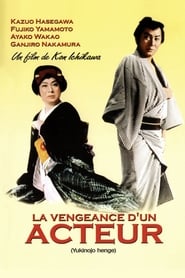
La Vengeance d'un acteur
Ohatsu
1963
私は二歳
Chiyo
1962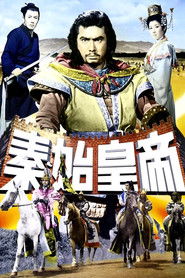
La Grande Muraille
Princess Chu
1962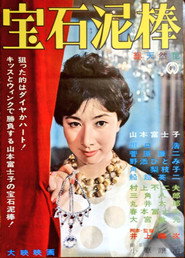
宝石泥棒
N/A
1962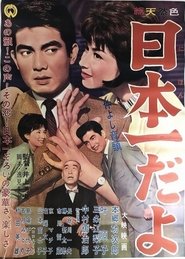
仲良し音頭・日本一だよ
N/A
1962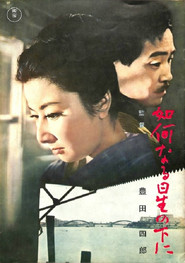
如何なる星の下に
N/A
1962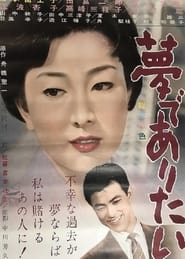
夢でありたい
N/A
1962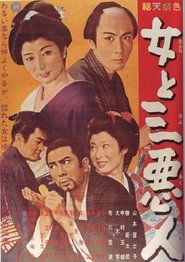
女と三悪人
N/A
1962
京化粧
N/A
1961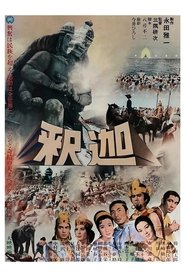
釈迦
Usha
1961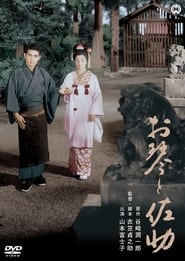
お琴と佐助
Okoto
1961
女房学校
N/A
1961
Dix femmes en noir
Futaba Kaze
1961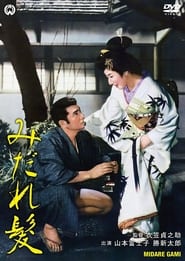
みだれ髪
Natsuko
1961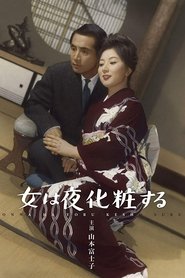
女は夜化粧する
N/A
1961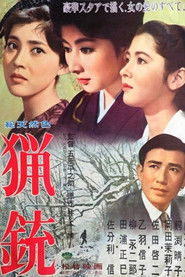
猟銃
Saiko Tagi
1961
Le Passage du Grand Bouddha II
Omatsu
1960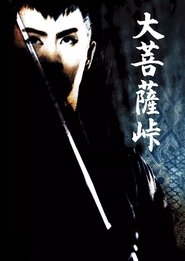
Le Passage du Grand Bouddha
Omatsu
1960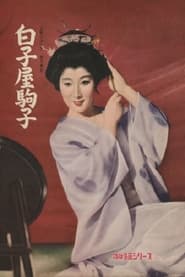
白子屋駒子
Komako Shirokoya
1960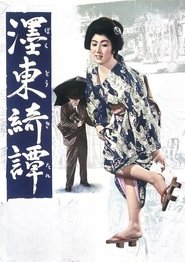
Histoire singulière à l'est du fleuve
N/A
1960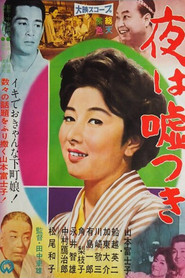
夜は嘘つき
N/A
1960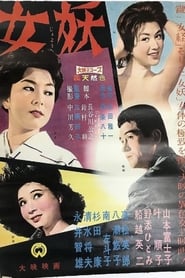
女妖
N/A
1960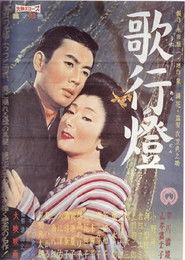
歌行燈
N/A
1960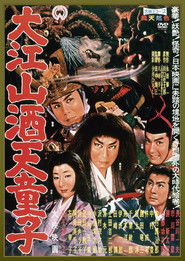
The Demon of Mount Oe
N/A
1960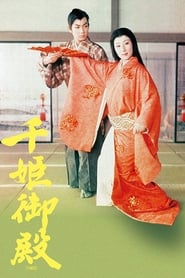
千姫御殿
Princess Sen
1960
女経
N/A
1960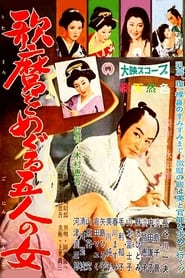
歌麿をめぐる五人の女
N/A
1959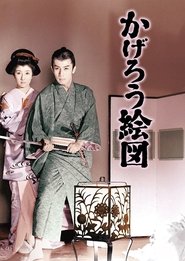
かげろう絵図
Tomi / Toyoharu
1959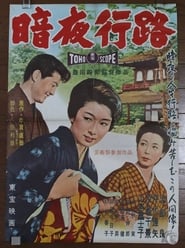
暗夜行路
Naoko
1959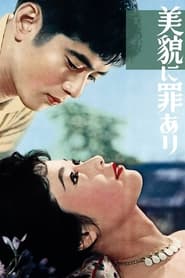
美貌に罪あり
Kikue Yoshino
1959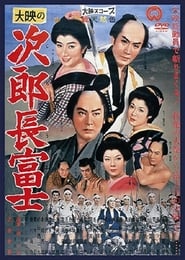
Jirocho Fuji
Oshin
1959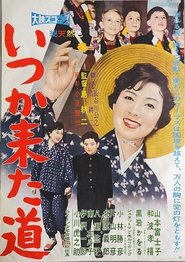
いつか来た道
Saya Ikeda
1959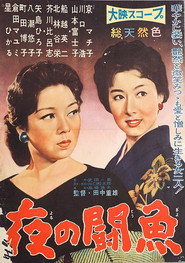
夜の闘魚
Masako Komaki
1959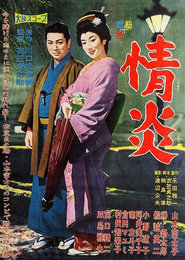
情炎
N/A
1959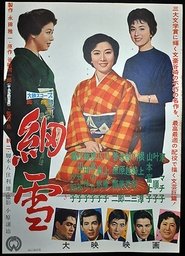
細雪
N/A
1959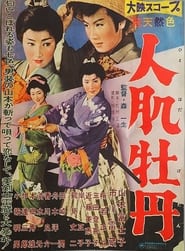
人肌牡丹
N/A
1959