106
Anime
2
Popularité
94
ans
Actor/Actress
Female 🇯🇵 Japon
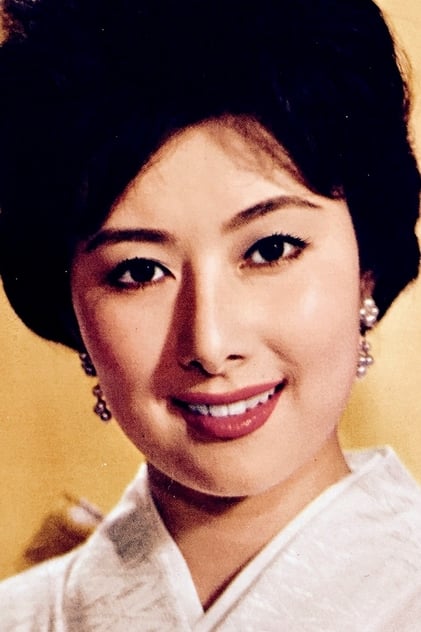
Fujiko Yamamoto
山本富士子 · Фудзико Ямамото
Naissance
11 December 1931 (94 ans)
Lieu de naissance
Itachibori, Nishi, Osaka, Osaka, Japan
Métier
Actor/Actress
Rôles principaux
Biographie
Fujiko Yamamoto (山本富士子, Yamamoto Fujiko) (born 11 December 1931) is a Japanese stage, film and television actress. She was the winner of the first Miss Nippon Grand Prix in 1950, and appeared in over 100 films between 1953 and 1963, including works by directors Yasujirō Ozu, Kon Ichikawa, Shirō Toyoda and Kōzaburō Yoshimura.
Yamamoto was born on 11 December 1931 in Nishi ward, Osaka. In 1953, she made her film debut at Daiei Film, and became one of the studio's top actresses. Yamamoto was considered one of Japan's most beautiful women, with, in the words of film historian Catherine Russell, "noble" features that represented the classic ideal of Japanese beauty. As such, she was well-suited for costumed parts in the era's popular period dramas, with her less-frequent modern roles (in films like Ozu's Equinox Flower and Ichikawa's Being Two Isn't Easy) often shot in "movie star" closeups that placed her apart from the films' contemporary storytelling.
In 1963, when her contract came up for renewal, she insisted on changes. The head of Daiei, Masaichi Nagata, refused, dismissed her, and prevented her from finding work at other film studios via the Five-Company Agreement. After the Daiei dismissal, Yamamoto acted in the TV series Toshiba Sunday Theatre and on Fuji TV. Even though she has appeared frequently on stage and on television, she has not appeared in a film since then.
Yamamoto was born on 11 December 1931 in Nishi ward, Osaka. In 1953, she made her film debut at Daiei Film, and became one of the studio's top actresses. Yamamoto was considered one of Japan's most beautiful women, with, in the words of film historian Catherine Russell, "noble" features that represented the classic ideal of Japanese beauty. As such, she was well-suited for costumed parts in the era's popular period dramas, with her less-frequent modern roles (in films like Ozu's Equinox Flower and Ichikawa's Being Two Isn't Easy) often shot in "movie star" closeups that placed her apart from the films' contemporary storytelling.
In 1963, when her contract came up for renewal, she insisted on changes. The head of Daiei, Masaichi Nagata, refused, dismissed her, and prevented her from finding work at other film studios via the Five-Company Agreement. After the Daiei dismissal, Yamamoto acted in the TV series Toshiba Sunday Theatre and on Fuji TV. Even though she has appeared frequently on stage and on television, she has not appeared in a film since then.
Filmographie
Participations Anime (106)
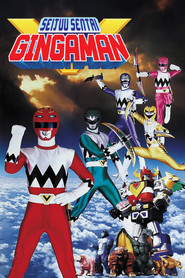
Seijuu Sentai Gingaman
Kyouhei's Mother
1998
Picnic
Nurse
1996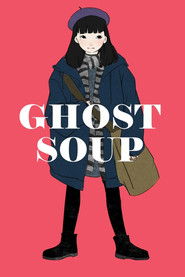
Ghost Soup
N/A
1992
Madame Aki
Aki
1963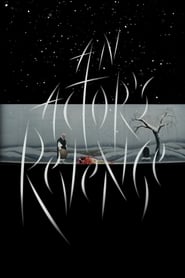
An Actor's Revenge
Ohatsu
1963
Being Two Isn't Easy
Chiyo
1962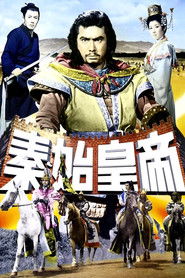
The Great Wall
Princess Chu
1962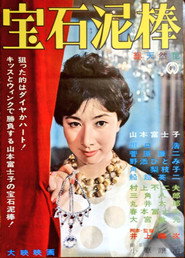
The Venus' Tear
N/A
1962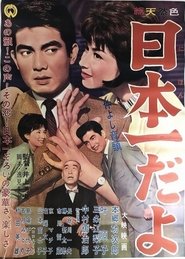
Nakayoshi ondo: Nippon ichi dayo
N/A
1962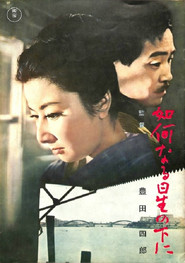
Ika naru hoshi no moto ni
N/A
1962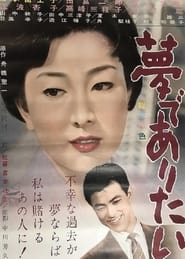
Yume de aritai
N/A
1962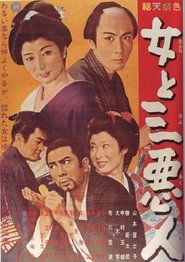
The Actress and the Three Rascals
N/A
1962
京化粧
N/A
1961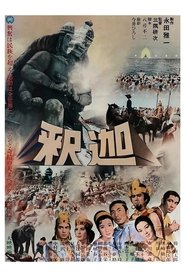
Buddha
Usha
1961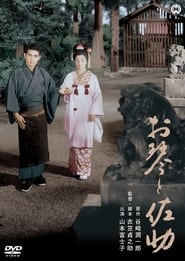
Okoto and Sasuke
Okoto
1961
Refresher Course for Wives
N/A
1961
Ten Women in Black
Futaba Kaze
1961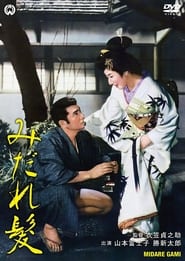
Blind Devotion
Natsuko
1961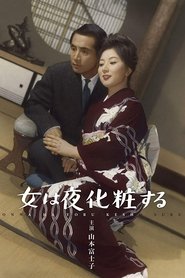
Nocturne of a Woman
N/A
1961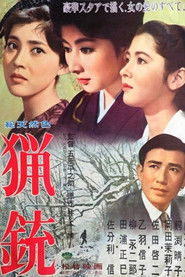
Hunting Rifle
Saiko Tagi
1961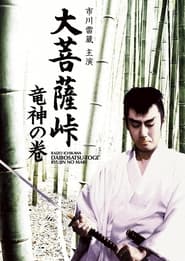
Satan's Sword II: The Dragon God
Omatsu
1960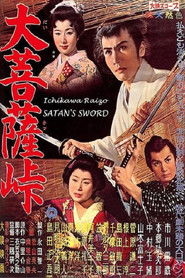
Satan's Sword
Omatsu
1960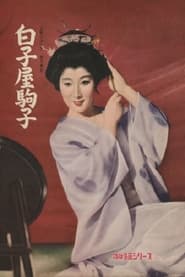
What Price Love?
Komako Shirokoya
1960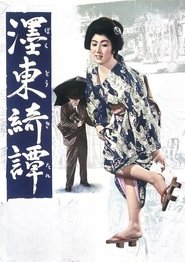
The Twilight Story
N/A
1960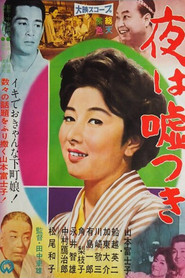
Yoru wa usotsuki
N/A
1960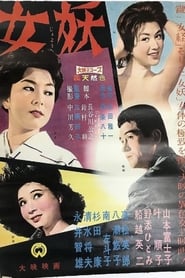
Patterns of Love
N/A
1960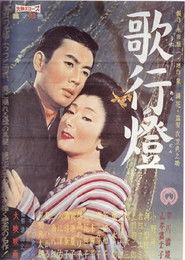
The Song Lantern
N/A
1960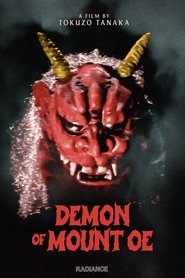
The Demon of Mount Oe
N/A
1960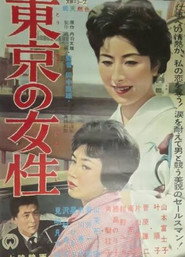
Tōkyō no josei
N/A
1960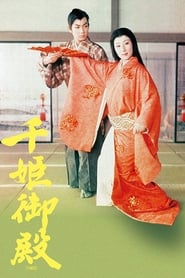
Princess Sen in Edo
Princess Sen
1960
A Woman's Testament
N/A
1960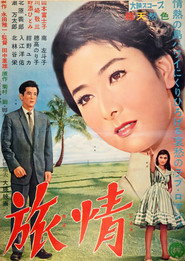
A Week in Hawaii
N/A
1959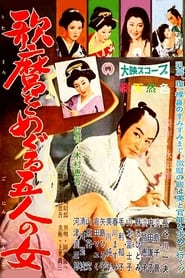
Utamaro, Painter of the Woman
N/A
1959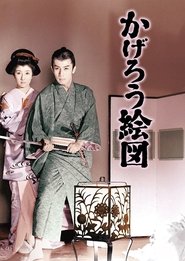
Stop the Old Fox
Tomi / Toyoharu
1959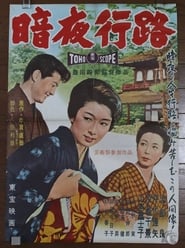
Pilgrimage at Night
Naoko
1959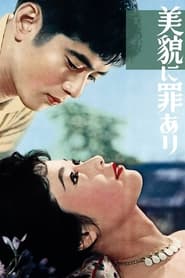
Beauty the Enemy
Kikue Yoshino
1959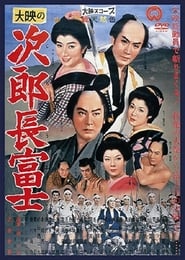
Jirocho Fuji
Oshin
1959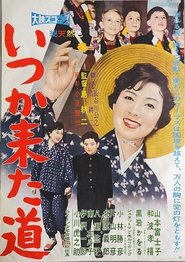
The Path I Remember
Saya Ikeda
1959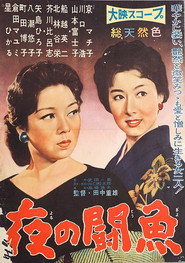
Paper Pigeon
Masako Komaki
1959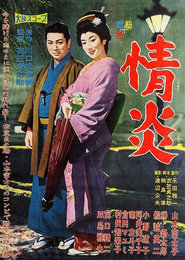
Jōen
N/A
1959