161
Anime
1
Popularité
76
† ans
ممثل
ذكر 🇯🇵 Japon
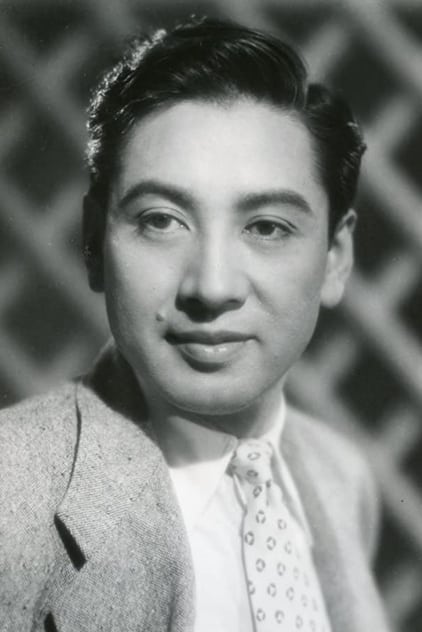
長谷川一夫
長谷川 一夫 · Кадзуо Хасэгава · Chôjirô Hayashi · Тёдзиро Хаяси
Naissance
27 فبراير 1908 (76 ans)
Décès
1984-04-06
Lieu de naissance
Kyoto, Kyoto, Japan
Métier
ممثل
Rôles principaux
Biographie
Biographie disponible uniquement en anglais.
Kazuo Hasegawa was a Japanese film and stage actor. He appeared in over 300 films from 1927 to 1963.
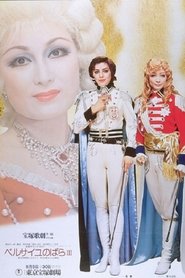
Born to a sake brewing family in Kyoto, he first appeared on stage at age five in a theater run by his family as a side business. In 1918, he became a student of Nakamura Ganjirō I and performed kabuki in the Kansai region. He joined the Shochiku studio in 1927 and made his film debut in Chigo no kenpō under the name Chōjirō Hayashi. His good looks and graceful fighting style made him a major jidaigeki star, and he appeared in more than 120 films for Shochiku in 11 years, with the best works being directed by Teinosuke Kinugasa. He moved to the Toho studio in 1937. On 11 November 1937, however, he was attacked by ruffians and his face slashed with razor blades. According to the historian Daisuke Miyao, "Even though there was no clear evidence, it was widely assumed that this violent incident was Shochiku's retaliatory measure against Hayashi's so-called betrayal." He recovered and changed his stage name to his real name, Kazuo Hasegawa. Hasegawa appeared in many successful films for Toho, including several "national-policy pictures with Chinese settings," such as Song of the White Orchid (1939) and China Night (1940), with co-star Ri Koran. He moved to Daiei Film in 1950 and continued appearing in the popular Zenigata Heiji series. He also appeared in many classic films including Kozaburo Yoshimura's The Tale of Genji (1951), Kinugasa's Gate of Hell (1953), and Kenji Mizoguchi's The Crucified Lovers (1954). He was appointed to Daiei's board of directors in 1957. To celebrate his 300th film, Hasegawa appeared in a new version of Yukinojō henge (known abroad as An Actor's Revenge) in 1963, directed by Kon Ichikawa. He left Daiei that year and continued to appear on stage and television, including starring in the second NHK Taiga drama Akō Rōshi in 1964. He also directed the Takarazuka Revue version of The Rose of Versailles in 1974.
Born to a sake brewing family in Kyoto, he first appeared on stage at age five in a theater run by his family as a side business. In 1918, he became a student of Nakamura Ganjirō I and performed kabuki in the Kansai region. He joined the Shochiku studio in 1927 and made his film debut in Chigo no kenpō under the name Chōjirō Hayashi. His good looks and graceful fighting style made him a major jidaigeki star, and he appeared in more than 120 films for Shochiku in 11 years, with the best works being directed by Teinosuke Kinugasa. He moved to the Toho studio in 1937. On 11 November 1937, however, he was attacked by ruffians and his face slashed with razor blades. According to the historian Daisuke Miyao, "Even though there was no clear evidence, it was widely assumed that this violent incident was Shochiku's retaliatory measure against Hayashi's so-called betrayal." He recovered and changed his stage name to his real name, Kazuo Hasegawa. Hasegawa appeared in many successful films for Toho, including several "national-policy pictures with Chinese settings," such as Song of the White Orchid (1939) and China Night (1940), with co-star Ri Koran. He moved to Daiei Film in 1950 and continued appearing in the popular Zenigata Heiji series. He also appeared in many classic films including Kozaburo Yoshimura's The Tale of Genji (1951), Kinugasa's Gate of Hell (1953), and Kenji Mizoguchi's The Crucified Lovers (1954). He was appointed to Daiei's board of directors in 1957. To celebrate his 300th film, Hasegawa appeared in a new version of Yukinojō henge (known abroad as An Actor's Revenge) in 1963, directed by Kon Ichikawa. He left Daiei that year and continued to appear on stage and television, including starring in the second NHK Taiga drama Akō Rōshi in 1964. He also directed the Takarazuka Revue version of The Rose of Versailles in 1974.
Filmographie
Participations Anime (161)
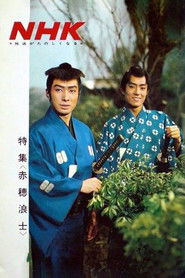
赤穂浪士
Ooishi Kuranosuke
1964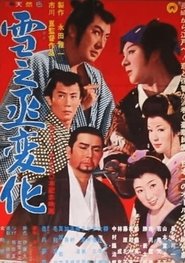
雪之丞変化
Yukinojo Nakamura / Yamitaro the Thief
1963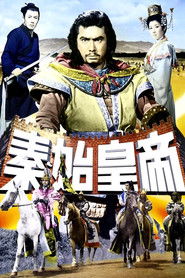
秦・始皇帝
Yu Yue
1962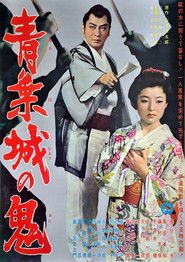
青葉城の鬼
N/A
1962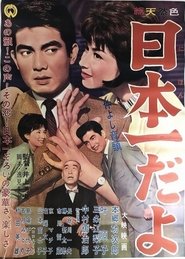
仲良し音頭・日本一だよ
N/A
1962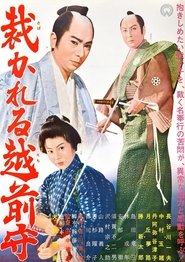
裁かれる越前守
N/A
1962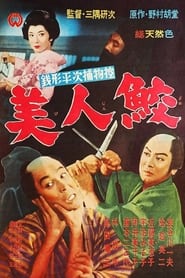
銭形平次捕物控 美人鮫
N/A
1961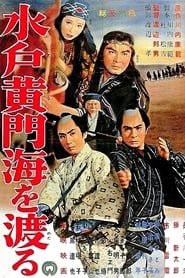
水戸黄門 海を渡る
Mito Komon
1961🎌
銭形平次捕物控 夜のえんま帳
Zenigata Heiji
1961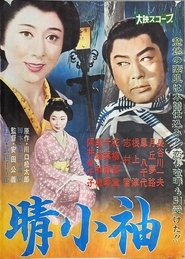
晴小袖
N/A
1961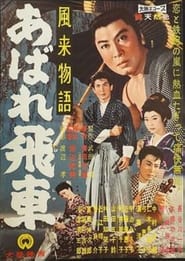
風来物語 あばれ飛車
N/A
1960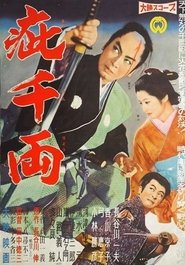
疵千両
Chouemon Takakura
1960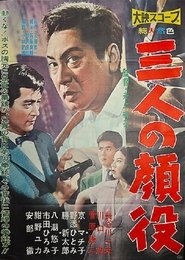
三人の顔役
Ryūtarō Tsumura
1960🎌
小雨の夜に散った恋
N/A
1960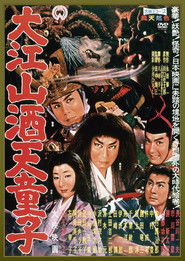
大江山酒天童子
Shuten-dôji
1960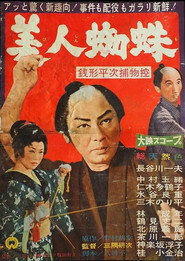
Zenigata Heiji torimono hikae: Bijin-gumo
Zenigata Heiji
1960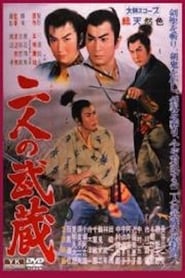
二人の武蔵
N/A
1960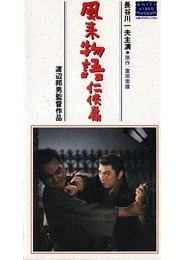
風来物語任侠篇
N/A
1959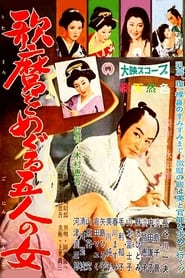
歌麿をめぐる五人の女
Kitagawa Utamaro
1959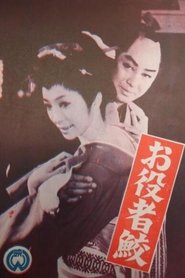
お役者鮫
N/A
1959
四谷怪談
Iemon Tamiya
1959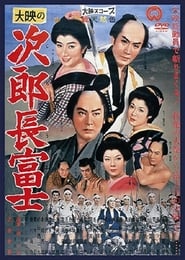
次郎長富士
Shimizu no Jirocho
1959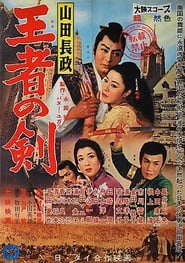
山田長政 王者の剣
N/A
1959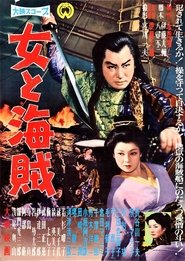
女と海賊
御崎庄五郎
1959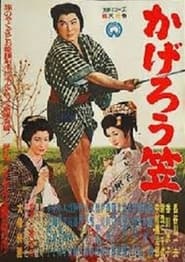
かげろう笠
Yatarô
1959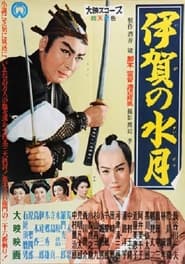
伊賀の水月
Araki Mataemon
1958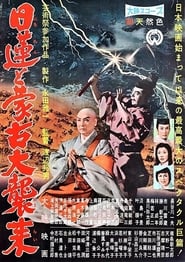
日蓮と蒙古大襲来
Nichiren
1958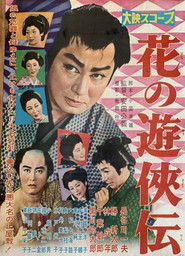
花の遊侠伝
N/A
1958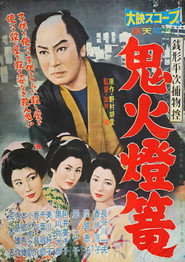
銭形平次捕物控 鬼火燈篭
N/A
1958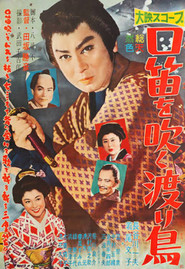
口笛を吹く渡り鳥
N/A
1958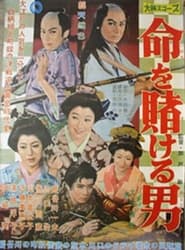
命を賭ける男
N/A
1958
忠臣蔵
Kuranosuke Ôishi
1958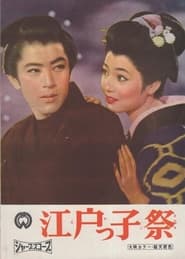
江戸っ子祭
N/A
1958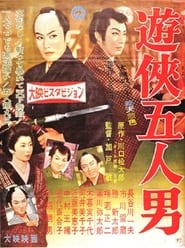
遊侠五人男
N/A
1958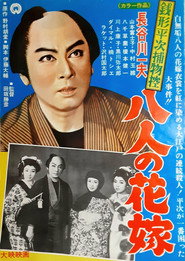
銭形平次捕物控 八人の花嫁
N/A
1958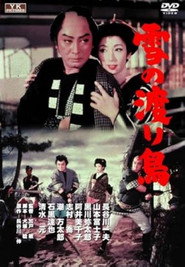
雪の渡り鳥
N/A
1957
鳴門秘帖
N/A
1957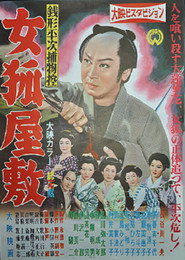
銭形平次捕物控 女狐屋敷
N/A
1957
刃傷未遂
N/A
1957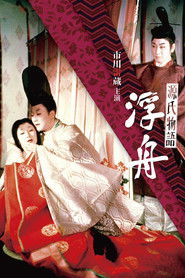
源氏物語 浮舟
N/A
1957
Staff