1
Anime
1
Popularité
62
† ans
كاتب
أنثى 🇯🇵 Japon
和田夏十
Wada Natto
Naissance
13 سبتمبر 1920 (62 ans)
Décès
1983-02-18
Lieu de naissance
Himeji, Hyogo, Japan
Métier
كاتب
Biographie
Biographie disponible uniquement en anglais.
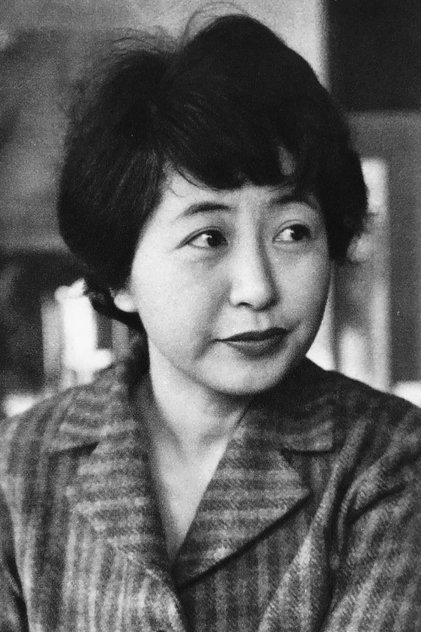
Natto Wada (和田 夏十, Wada Natto, 13 September 1920 – 18 February 1983), also known as Natsuto Wada, was a Japanese script writer and film columnist.
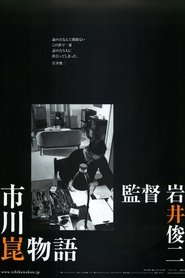
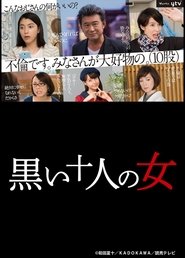
Wada graduated with an English degree from Tokyo Women's College in 1946. She started her career at the Fujimoto Cinema Production company, where she met her husband, Kon Ichikawa, a filmmaker who promoted her script work to colleagues and collaborated with her on several films. She began writing, or co-writing, scripts in 1951, and continued until 1965. Wada's scripts included the 1953 film Puu-san, a satirical comedy based on the manga of Yokoyama Taizo; the 1956 film Shokei no Heya, based on a novel by Ishihara Shintaro. That year, Wada also wrote Nihonbashi, based on a novel by Izumi Kyoka, which documented the rivalry of two geisha in a male-dominated culture. Kuroi Junin no Onna (Ten Dark Women) was a 1961 film that satirized an egotistical male's reliance on his wife to stay out of trouble. Also that year, Wada wrote Hakai (The Broken Commandment) a film adaptation of Shimazaki Toson's eponymous 1906 novel, which examined the life of a social outcast. Wada's adaptation was notable for strengthening the role of the female protagonist. Other film scripts by Wada or with collaborators include Biruma no Tategoto (Harp of Burma, 1956), based on the eponymous 1946 novel by Takayama Michio; Enjō (Conflagration, 1959) based on Mishima Yukio's 1956 novel, The Temple of the Golden Pavilion. Wada was also known for her work as an advice columnist during the 1960s. Her column, "Personal Life Consultation," ran in the Asahi Shimbun.
Wada graduated with an English degree from Tokyo Women's College in 1946. She started her career at the Fujimoto Cinema Production company, where she met her husband, Kon Ichikawa, a filmmaker who promoted her script work to colleagues and collaborated with her on several films. She began writing, or co-writing, scripts in 1951, and continued until 1965. Wada's scripts included the 1953 film Puu-san, a satirical comedy based on the manga of Yokoyama Taizo; the 1956 film Shokei no Heya, based on a novel by Ishihara Shintaro. That year, Wada also wrote Nihonbashi, based on a novel by Izumi Kyoka, which documented the rivalry of two geisha in a male-dominated culture. Kuroi Junin no Onna (Ten Dark Women) was a 1961 film that satirized an egotistical male's reliance on his wife to stay out of trouble. Also that year, Wada wrote Hakai (The Broken Commandment) a film adaptation of Shimazaki Toson's eponymous 1906 novel, which examined the life of a social outcast. Wada's adaptation was notable for strengthening the role of the female protagonist. Other film scripts by Wada or with collaborators include Biruma no Tategoto (Harp of Burma, 1956), based on the eponymous 1946 novel by Takayama Michio; Enjō (Conflagration, 1959) based on Mishima Yukio's 1956 novel, The Temple of the Golden Pavilion. Wada was also known for her work as an advice columnist during the 1960s. Her column, "Personal Life Consultation," ran in the Asahi Shimbun.
Filmographie
Participations Anime (1)
Staff
En tant que كاتب (39)
黒い十人の女
Original Story
2016
黒い十人の女
Writer
2002
かあちゃん
Writer
2001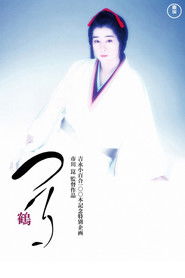
つる-鶴-
Writer
1988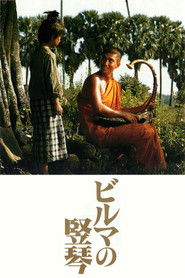
ビルマの竪琴
Screenplay
1985
東京オリンピック
Writer
1965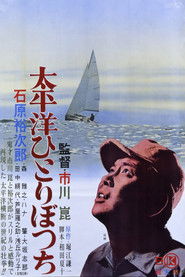
太平洋ひとりぼっち
Screenplay
1963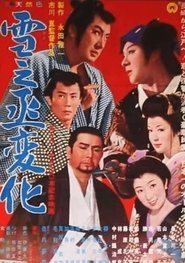
雪之丞変化
Scenario Writer
1963
私は二歳
Costume Consultant
1962
私は二歳
Screenplay
1962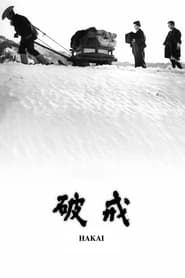
破戒
Screenplay
1962
黒い十人の女
Screenplay
1961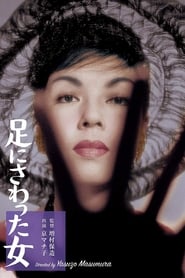
足にさわった女
Writer
1960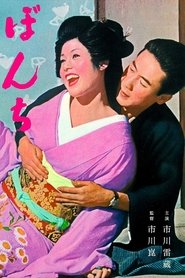
ぼんち
Screenplay
1960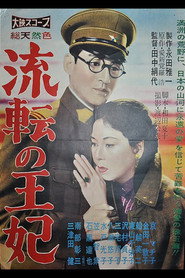
流転の王妃
Writer
1960
野火
Screenplay
1959
鍵
Screenplay
1959
あなたと私の合言葉 さようなら、今日は
Writer
1959
炎上
Screenplay
1958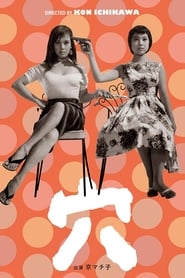
穴
Writer
1957