1
Popularité
72
† ans
Director
Hombre 🇯🇵 Japon
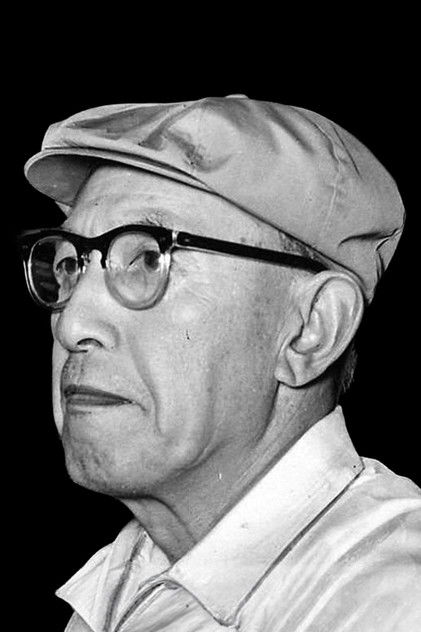
内田吐夢
Тому Утида
Naissance
26 abril 1898 (72 ans)
Décès
1970-08-07
Lieu de naissance
Okayama, Okayama, Japan
Métier
Director
Biographie
Biographie disponible uniquement en anglais.
Uchida started out at the Taikatsu studio in the early 1920s, but came to prominence at Nikkatsu, adapting literary works with the screenwriter Yasutarō Yagi in a realist style. His 1929 film A Living Puppet (Ikeru ningyo) was selected as the fourth best film of the year by the film journal, Kinema Junpo. Many of his 1930s films featured the actor Isamu Kosugi. One such work, Policeman (Keisatsukan), has been called "a tremendously stylish gangster movie about the love-hate relationship between a cop and a criminal, once childhood friends" It is Uchida’s only surviving complete silent film. Uchida borrows from Hollywood gangster films and expressionist techniques in a story of a young policeman tracking down an old friend who is now a criminal. His work from the 1920 and 1930s possess a leftist social commentary and were often some of the most critically acclaimed films of the time. Kinema Junpo selected Jinsei Gekijo as the number two film of 1936, Karininaki Zenshin as the best film of 1937, and Tsuchi as the best film of 1939. The latter was praised for its realistic depiction of the lives of poor Meiji-period tenant farmers. Unfortunately, few of Uchida's prewar works survive in their entirety.
In 1941, Uchida quit the Nikkatsu studio, and after failing to start his own production company, in 1943 began to work with the Manchukuo Film Association, although he never completed a film there. In 1945 he was taken prisoner and held in Manchuria until 1954, when he returned to Japan.
Upon he return, he joined the Toei studio. His post-war movies reveal a strong genre stylist with no immediately discernible themes, much like many golden-age Hollywood directors. Uchida effortlessly directed chamber dramas, comedies, and samurai epics, often in color, and with a forward-looking dose of irony.
In 1941, Uchida quit the Nikkatsu studio, and after failing to start his own production company, in 1943 began to work with the Manchukuo Film Association, although he never completed a film there. In 1945 he was taken prisoner and held in Manchuria until 1954, when he returned to Japan.
Upon he return, he joined the Toei studio. His post-war movies reveal a strong genre stylist with no immediately discernible themes, much like many golden-age Hollywood directors. Uchida effortlessly directed chamber dramas, comedies, and samurai epics, often in color, and with a forward-looking dose of irony.
Staff
En tant que Director (49)
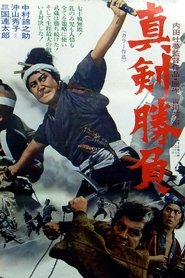
真剣勝負
Director
1971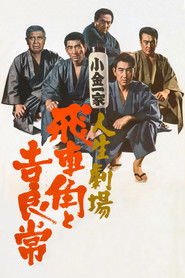
人生劇場 飛車角と吉良常
Director
1968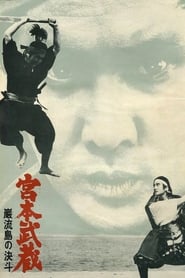
Miyamoto Musashi 05: Musashi Vs Kojiro
Director
1965
Miyamoto Musashi 05: Musashi Vs Kojiro
Screenplay
1965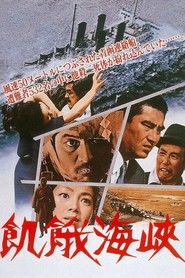
Un fugitivo del pasado
Director
1965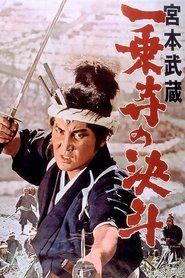
宮本武蔵 一乗寺の決斗
Director
1964
宮本武蔵 一乗寺の決斗
Adaptation
1964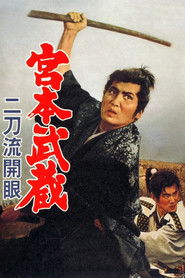
宮本武蔵 二刀流開眼
Director
1963
宮本武蔵 二刀流開眼
Screenplay
1963
宮本武蔵 般若坂の決斗
Adaptation
1962
宮本武蔵 般若坂の決斗
Director
1962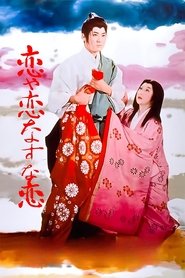
恋や恋なすな恋
Director
1962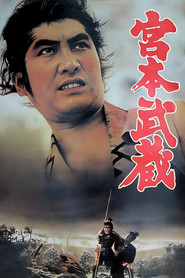
宮本武蔵
Director
1961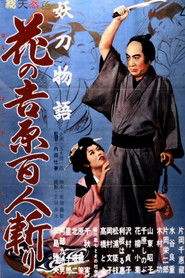
妖刀物語 花の吉原百人斬り
Director
1960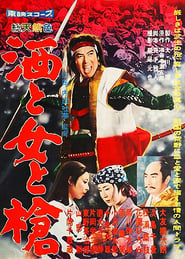
酒と女と槍
Director
1960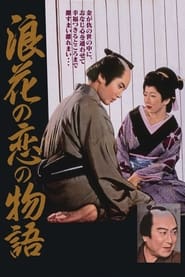
浪花の恋の物語
Director
1959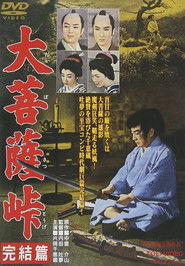
大菩薩峠 完結篇
Director
1959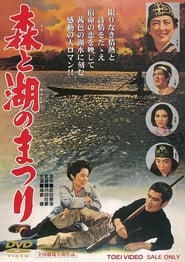
森と湖のまつり
Director
1958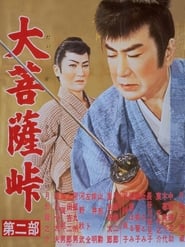
大菩薩峠 第二部
Director
1958
どたんば
Director
1957