1
Anime
1
Popularité
68
† ans
Efectos visuales
Hombre
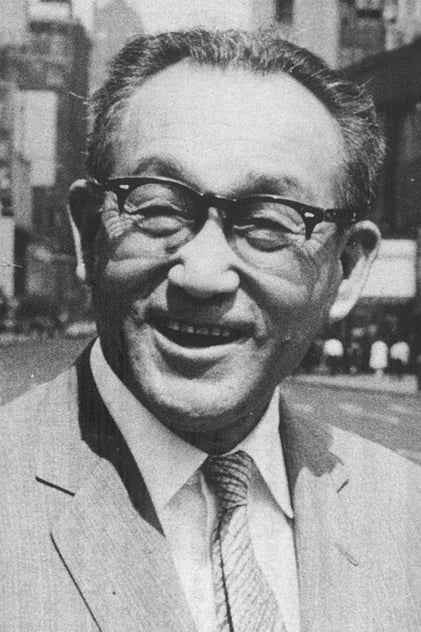
円谷英二
特撮の神様 · 쓰부라야 에이지 · 圓谷英二 · 円谷英一
Naissance
7 julio 1901 (68 ans)
Décès
1970-01-25
Lieu de naissance
日本,京都府
Métier
Efectos visuales
Biographie
Biographie disponible uniquement en anglais.
Eiji Tsuburaya ranks alongside Willis H. O'Brien and Ray Harryhausen as one of the great visionary SFX masters of twentieth-century fantasy cinema. Best remembered as the amazing special effects genius behind the "Godzilla" series of monster films commencing in 1954, he also contributed effects to a host of other Japanese monster / fantasy / science fiction / drama / propaganda films for over four decades.
Eiji Tsuburaya had a keen interest in the cinema from a young age, and legend has it that he acquired a second-hand movie projector when he was only ten years old, and pulled it apart and put it back together with relative ease. He began work as a cinematographer in Kyoto around 1919 and then enhanced his skills to include camera work throughout the 1920s, at which time his eye for detail was in high demand from many studios. Around 1938, he became head of Special Visual Techniques at Toho Studios, and during the Second World War, he was involved in the production of several Japanese propaganda films. He went freelance after the war, and in 1954 he collaborated with director Ishirô Honda on the monster epic Gojira (1954) (aka "Godzilla"). The film was an enormous hit in Japan, and additional scenes were filmed with US actor Raymond Burr and then inserted strategically to give the movie western appeal. "Godzilla, King Of The Monsters" was then released in the USA to strong box office takings, and Godzilla has since appeared in over two dozen films spanning over fifty years, becoming a key cult icon of Japanese culture!!
The incredibly talented Tsuburaya went on to be the SFX director behind dozens of Japanese monster & science fiction classics including Sora no daikiju Radon (1956) (aka "Rodan"), Bijo to ekitai ningen (1958) (aka "The H-Man"), Densô ningen (1960) (aka "The Telegian"), Mosura (1961) (aka "Mothra"), Kingu Kongu tai Gojira (1962) (aka "King Kong versus Godzilla"), Varan the Unbelievable (1962), Matango (1963), Furankenshutain tai chitei kaiju Baragon (1965) (aka "Frankenstein Conquers the World"), and Kaiju soshingeki (1968) (aka "Destroy All Monsters" ). Tsuburaya had also established his own production company in 1963 (Tsuburaya Productions), creators of the highly popular "Ultraman" character, and subsequent TV shows and films.
On January 25, 1970, while vacationing in Shizuoka Prefecture, Tsuburaya suffered a sudden, fatal heart attack. His incredible film & SFX production company is still active today under the guidance of his grandson, Kazuo Tsuburaya.
Eiji Tsuburaya had a keen interest in the cinema from a young age, and legend has it that he acquired a second-hand movie projector when he was only ten years old, and pulled it apart and put it back together with relative ease. He began work as a cinematographer in Kyoto around 1919 and then enhanced his skills to include camera work throughout the 1920s, at which time his eye for detail was in high demand from many studios. Around 1938, he became head of Special Visual Techniques at Toho Studios, and during the Second World War, he was involved in the production of several Japanese propaganda films. He went freelance after the war, and in 1954 he collaborated with director Ishirô Honda on the monster epic Gojira (1954) (aka "Godzilla"). The film was an enormous hit in Japan, and additional scenes were filmed with US actor Raymond Burr and then inserted strategically to give the movie western appeal. "Godzilla, King Of The Monsters" was then released in the USA to strong box office takings, and Godzilla has since appeared in over two dozen films spanning over fifty years, becoming a key cult icon of Japanese culture!!
The incredibly talented Tsuburaya went on to be the SFX director behind dozens of Japanese monster & science fiction classics including Sora no daikiju Radon (1956) (aka "Rodan"), Bijo to ekitai ningen (1958) (aka "The H-Man"), Densô ningen (1960) (aka "The Telegian"), Mosura (1961) (aka "Mothra"), Kingu Kongu tai Gojira (1962) (aka "King Kong versus Godzilla"), Varan the Unbelievable (1962), Matango (1963), Furankenshutain tai chitei kaiju Baragon (1965) (aka "Frankenstein Conquers the World"), and Kaiju soshingeki (1968) (aka "Destroy All Monsters" ). Tsuburaya had also established his own production company in 1963 (Tsuburaya Productions), creators of the highly popular "Ultraman" character, and subsequent TV shows and films.
On January 25, 1970, while vacationing in Shizuoka Prefecture, Tsuburaya suffered a sudden, fatal heart attack. His incredible film & SFX production company is still active today under the guidance of his grandson, Kazuo Tsuburaya.
Filmographie
Participations Anime (1)
Staff
En tant que Efectos visuales (191)
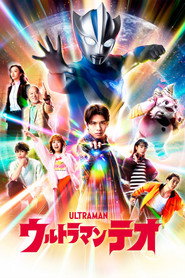
ウルトラマンテオ
Original Concept
2026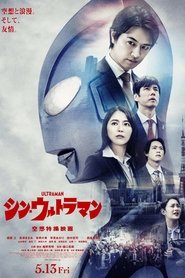
Shin Ultraman
Original Story
2022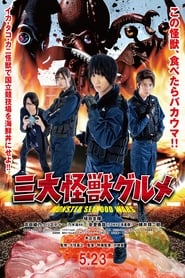
三大怪獣グルメ
Original Story
2020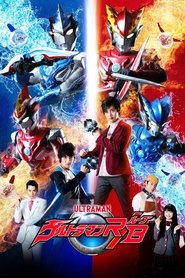
ウルトラマンR/B
Creator
2018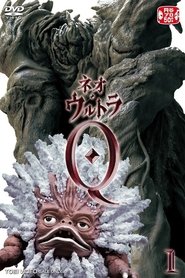
ネオ・ウルトラQ
Creator
2013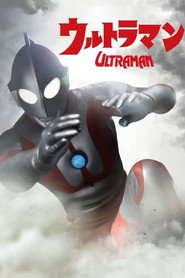
ウルトラマン 恐怖のルート87
Producer
1989
ウルトラマン 恐怖のルート87
Production Supervisor
1989
ウルトラマン 恐怖のルート87
Creator
1989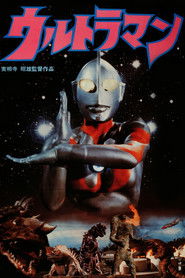
実相寺昭雄監督作品ウルトラマン
Executive Producer
1979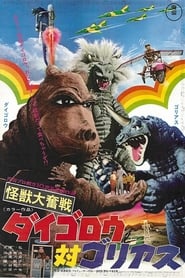
怪獣大奮戦 ダイゴロウ対ゴリアス
Producer
1972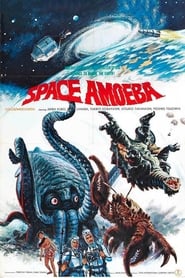
Gezora, Ganime, Kameba: Batalla decisiva
Special Effects
1970
Gezora, Ganime, Kameba: Batalla decisiva
Special Effects Supervisor
1970
La isla de los monstruos
Special Effects Supervisor
1969
La isla de los monstruos
Special Effects
1969
La isla de los monstruos
Editorial Consultant
1969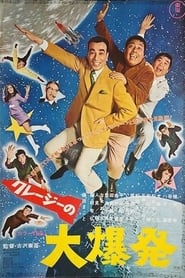
クレージーの大爆発
Special Effects
1969
クレージーの大爆発
Visual Effects
1969
ウルトラマン・ウルトラセブン モーレツ大怪獣戦
Producer
1969
ウルトラマン・ウルトラセブン モーレツ大怪獣戦
Production Supervisor
1969
ウルトラマン・ウルトラセブン モーレツ大怪獣戦
Creator
1969